


History of Amazon

Contents
- Small beginnings
- Online bookstore
- Diversification
- Amazon Associates Program – Bringing affiliate marketing into the mainstream
- New digs
- The rest of 2000
- HQ1 Renovations & HQ2
- Going offline
- Amazon acquisitions and companies
Amazon is huge – it helps operate Netflix, supports the functioning of government organizations such as the US Department of State and NASA, and owns 41 subsidiaries and brands. Amazon boasts a diverse portfolio of operations –
 Non-destructive
deterrence of
rodents,
wildlife
and snakes.
- E-commerce
- Consumer electronics
- Cloud computing
- Artificial intelligence
- Digital distribution
- Groceries
But how did Amazon get to where it is now? How did the company, which started out as an online bookstore, become the second fastest company in the world to achieve a trillion appreciation?
Small beginnings
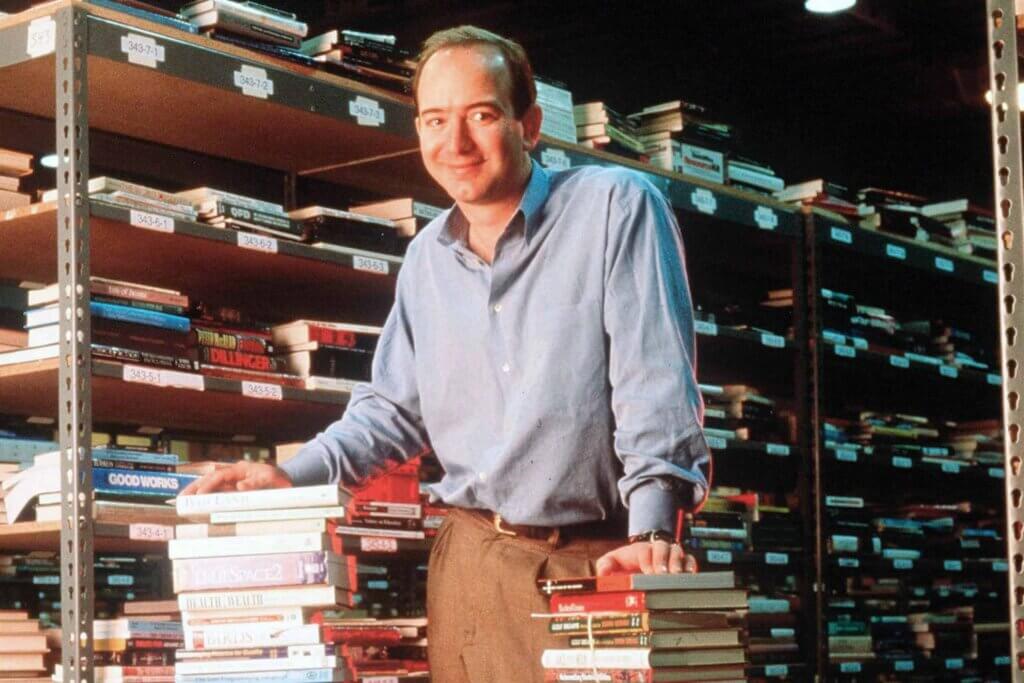
The origin and growth of Amazon can be associated with one man – Jeff Bezos. Before the establishment of the Amazon, Bezos worked as the executive director of the Hedge Fund on Wall Street, and the idea of creating an Amazon was born within its ‘regret-minimization framework’ – he feared he would not take advantage of the opportunity to start a business when he could.
The spark for starting an online business came in 1994, when Bezos read statistics about the future of the Internet and the exponential growth of its users, which could change the way of doing business. With that as inspiration, Jeff left the De Shaw & Co. company, where he served as vice president, and moved to Seattle, Washington. Bezos had a lot of time available and decided to find the best product that could start selling online.
After compiling a list of products for sale – which included compact discs, computer hardware and computer software – Bezos finally decided on books that would be the first product to sell online. The reason was that literature always demanded, if not novels, academic books and books meant easier inventory management.
Fun fact:
- Amazon was not the first company to start selling online. A company called Computer Literacy (a bookstore in Silicon Valley) began selling the store’s products online as soon as the internet opened to the public in 1991. Amazon became the “first” once it became mainstream in e-commerce.
On July 5, 1994, Jeff Bezos incorporated his business under the name Cadabra, Inc, which later turned into Amazon when his lawyer and many others mistook the name for ‘cadaver’. However, before changing the name to Amazon, Jeff almost considered naming Relentless and even bought the domain name relentless.com.
Fun fact:
- Bezos still owns the domain name relentless.com, and visiting it redirects you to Amazon.

As soon as it was decided to start selling books online, in July 1995, Amazon was officially founded by Bezos and his then-wife Mackenzie Tuttle in the garage of Bezos’ rented house in Seattle, with his parents investing Almost $250,000 as a embryo. Money.
Online bookstore
The books were Amazon’s first products and Amazon’s distinctive feature was its delivery service. Amazon helped bring what is taken for granted to the mainstream, and at that time delivery all the way under the door was considered innovative. Previously, one had no choice but to physically visit local stores for supplies.
Fun fact:

- The first book sold on Amazon.com was Douglas Hofstadter’s book Fluid Concepts and Creative Analogies: Computer Models of the Fundamental Mechanisms of Thought.
Amazon grew rapidly and can be partly attributed to Jeff’s slogan – fast, fast. To become successful, the brand had to grow rapidly and grow rapidly – within 2 weeks of its launch, Amazon’s sales were up to $20,000/week.
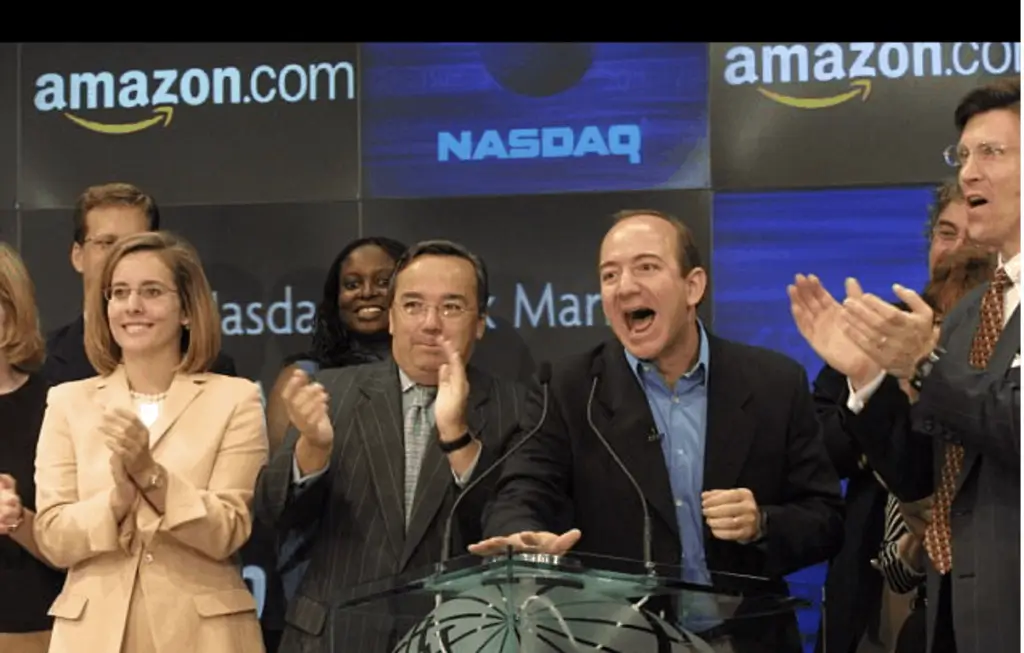
In October 1995, just three months after launch, Amazon asked for its first public offer. By December 1996, Amazon had more than 180,000 registrations. On May 15, 1997, Amazon entered the stock exchange and offered its shares for $18 per share and traded under the stock market symbol Amzn on Nasdaq.
Soon after Amazon entered the stock exchange, it had more than 1,000,000 customers signing up for their platform. Entering the exchange also bought the necessary exposure, and its revenue rose from $15.7 million in 1996 to $148 million in 1997. It was also around the same time that Amazon delivered its millionth Product.
Fun fact:
- Bezos personally delivered the millionth order to a customer in Japan.
Bezos saw success in his model and Amazon was ready to start offering more products in its online store.
Diversification
In 1998, Amazon began to slowly expand the list of products offered – starting with computer software and music. In the same year, Amazon’s sales rose to $610 million. Soon, Amazon sold various products that included consumer electronics, and even had newer product categories such as toys, tools, and equipment on its list.
During this period, it also began to expand its activity at the international level – it bought Bookpages, a telebook in Great Britain and Germany. These two purchases are considered Amazon’s first ever acquisition since its inception. By the end of 1999, Amazon was represented in more than 150 countries and delivered more than 20 million products worldwide.
Amazon Associates Program – Incorporating Affiliate Marketing into the Mainstream

In 2000, Amazon began to allow third-party manufacturers and sellers to introduce and sell their products on their sites. On the other hand, Amazon has taken a commission from the price of each product sold, while third-party sellers can benefit from Amazon’s enormous reach and impact. This was a huge success and he bought a model of affiliate marketing to the mainstream.
Fun fact:
- Amazon was not the first company to start “allowing third-party manufacturers to list their goods on its site”. There were several others who did this before Amazon, while only Amazon helped make it popular.

It was about the same year that Amazon created its iconic logo from A to Z with a smile-shaped arrow going from A to Z, suggesting that the company offers a lot of products.
New excavations
In 2001, Amazon moved its mansion across the lake to Belltown, Seattle. This place later became known as HQ1. Immediately after moving to the new headquarters, Amazon reported its first ever profit – 1 cent per share with sales of $1 billion.
Yes, Amazon never proved to be profitable and only broke through in 2001. What caused it reassured the skeptics that this unconventional business model is ultimately sustainable. Bezos, in order to grow rapidly, tended to reinvest all the money earned back into the company to help it expand and grow.
The rest of 2000
2000 was a big year for Amazon. During this decade, Amazon has launched its Amazon Web Services cloud platform, Amazon Prime subscription and its product brands.
Amazon Web Services

The Amazon Web Services platform was launched in July 2002 and initially offered only small tools and services using cloud technologies. It wasn’t until 2006 that Amazon finally restarted AWS and consolidated all its previous cloud offers under the same umbrella.
Currently, AWS is the largest cloud service provider in the world, and AWS is among the largest sources of income in Amazon.
Amazon Prime

Amazon launched its Prime subscription program in June 2005, assuming that after a $79 advance payment, customers can get two deliveries for their orders for the whole year. At the time of the launch of the Prime subscription, Amazon independently offered a two-day delivery option for customer orders for $10.
It turned out to be useless for many who used Amazon primarily for shopping, because the subscription fee will pay itself if customers placed eight orders a year. Many believe that this has led to Amazon’s tremendous growth because it motivated customers to order more, which ultimately meant better revenue for Amazon. And since Amazon always tried to grow instead of chasing direct profit numbers, it turned out to be sustainable for them, although they lost quite a large amount of money when using this model.
Amazon brands
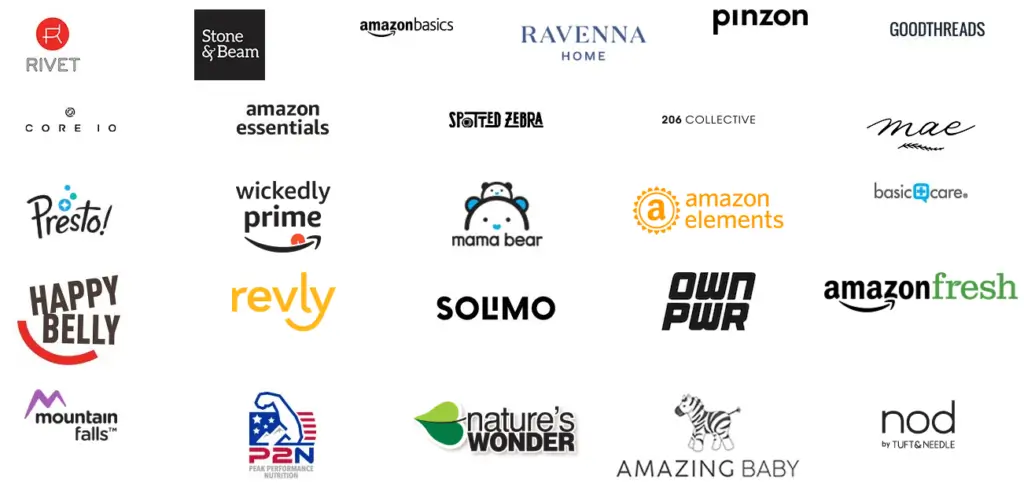
It was also around the same time as Prime was launched, Amazon also started selling products – first textiles, kitchen utensils, and the like – under their private brand Pinzon. In 2007, Amazon launched its brand AmazonBasics, which covered consumer electronics. The two are considered to be the first brands of Amazon’s private brands and were sold on the Amazon website along with third-party products.
Amazon currently has these private brands operating under them –
- Pinzon
- AmazonBasics
- Solimo
- Amazon Elements
- Wag
- Mama Bear
- Presto!
- Food and drinks
- Wickedly Prime
- 365
- AmazonFresh
- Happy Belly
- Clothing
- Mae
- Goodthreads
- 206 Collective
- Amazon Essentials
These are Amazon’s private brands that operate under the name ‘own brands’ and are separated from exclusive brands on Amazon. Exclusive brand items are third-party offers and products sold exclusively through Amazon.
HQ1 Renovations & HQ2

In 2016, Amazon’s main headquarters in Belltown were renovated and newer offices were built. Among them was the Day 1 building – part of a three-tower complex that serves as the headquarters of the Amazon – and the Amazon spheres – three spherical conservatories covered with pentagonal hexagonal panels—that serve as a lounge and work Space for employees. With more than 40,000 plants grown in the facility, it also serves as a greenhouse.
Amazon also spent more than $5 billion on the construction of a second residence in Crystal City, Arlington, Virginia. This has become known as HQ2.
Going offline
21 years after its establishment, Amazon opened its first physical store in 2015. Amazon opened a retail bookstore – Amazon Books – at a Seattle mall, selling books that matched its website. And he even provided customer reviews directly on his shelves. .
Soon after, Amazon opened brick-and-mortar stores under the names – Amazon Go (food and comfort), Amazon Fresh (food pickup locations) and Amazon 4-star (general merchandising). In addition, Amazon also acquired Whole Foods in 2017, which brought with it 400 of its own existing physical retail stores.
Here’s a list of Amazon physical stores in early 2020 –

- Amazon Go Grocery – grocery store (1 store)
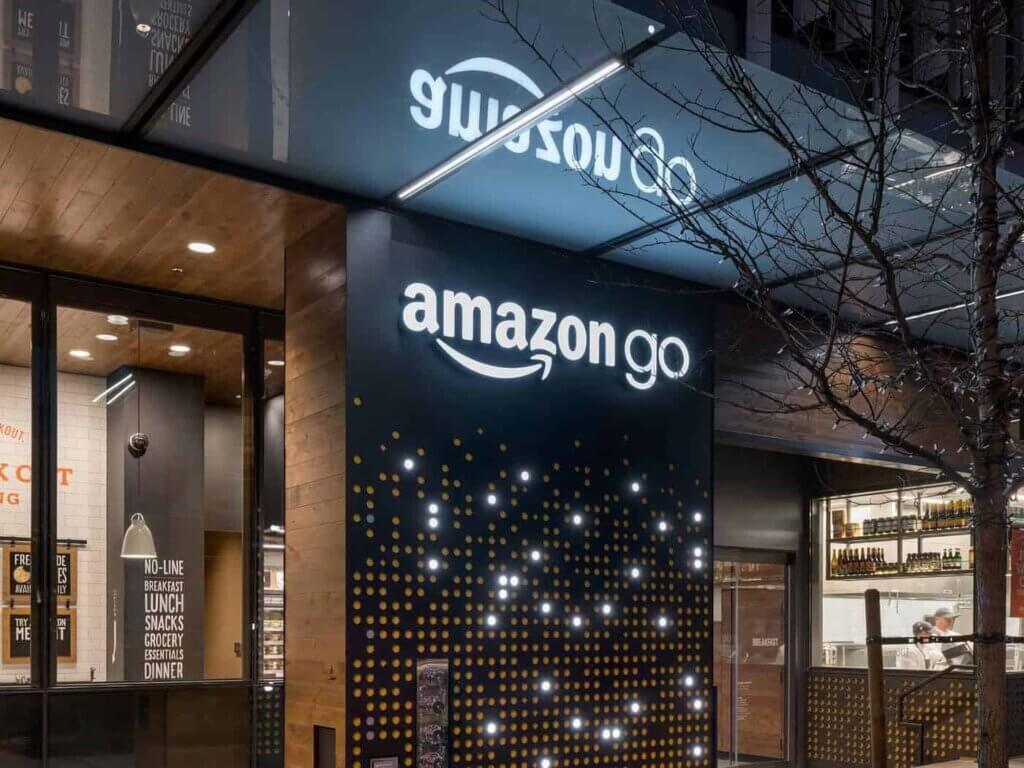
- Amazon Go – sensor-based convenience stores without cashiers (25 stores)

- Amazon Books – bookstores (21 locations)
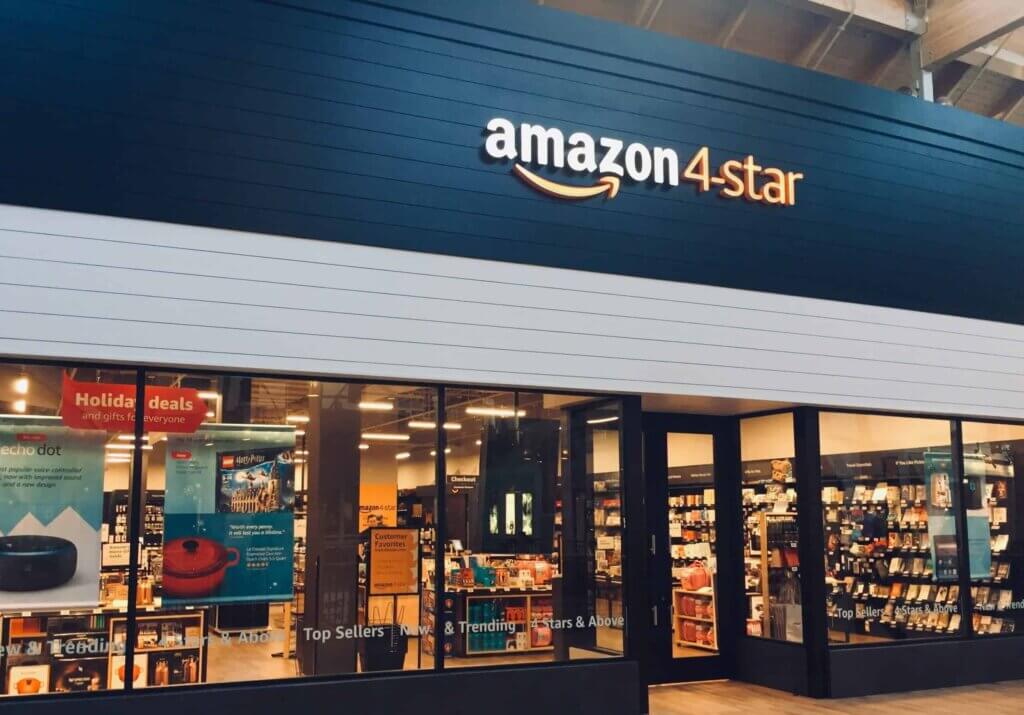
- Amazon 4-star – merchandise stores (11 stores)
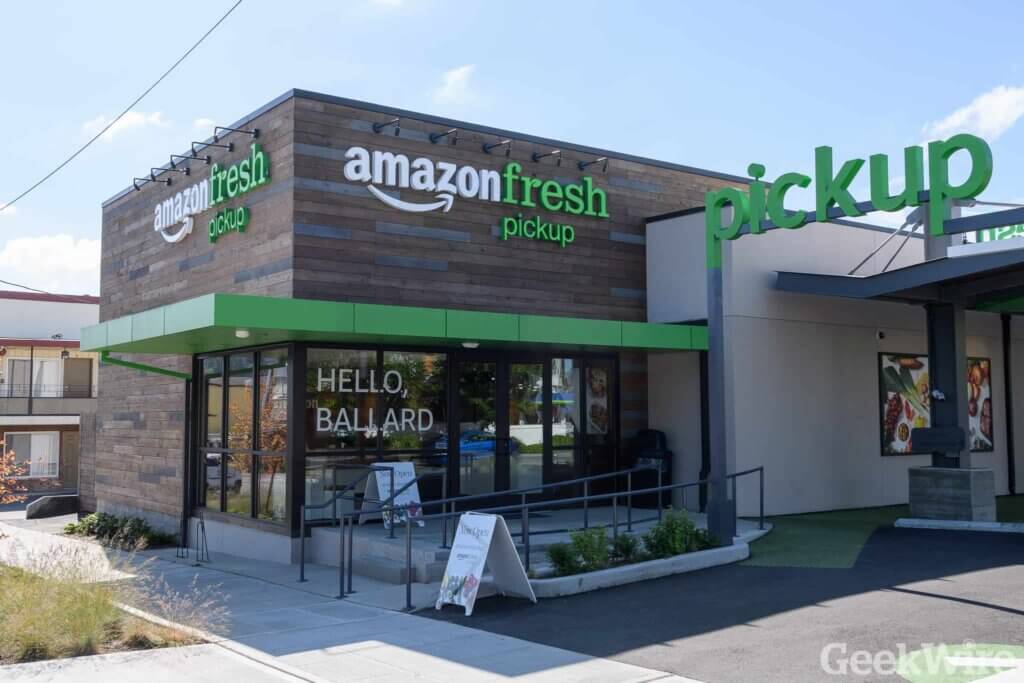
- Amazon Fresh Pickup – Amazon grocery pickup locations (2 stores)
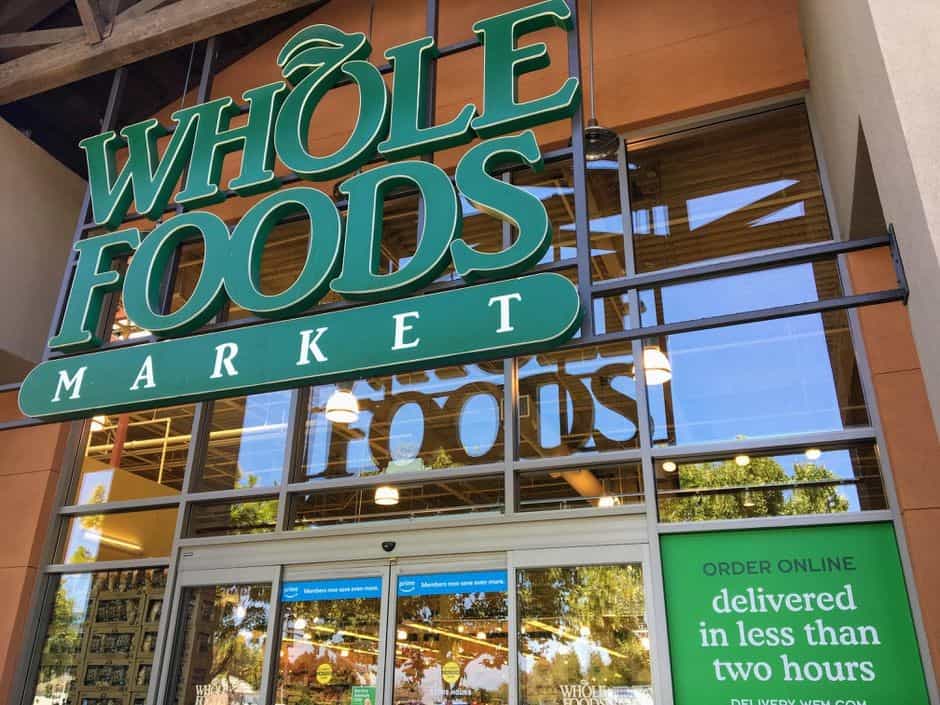
- Whole Foods (500 stores)
This brings us to Amazon acquisitions since its inception in 1994.
Acquisitions and Amazon
Amazon has acquired countless companies and has included most of them as its subsidiaries and in its services and business model. Here’s a list of big acquisitions Amazon has made since its inception –
In addition to acquisitions, Amazon bought the Washington Post newspaper publisher in October 2013. Amazon also founded Blue Origin back in 2000. Blue Origin focuses on SpaceX-like space exploration and is privately funded by Jeff Bezos.

