


Unmanned drones caught a computer virus. How is that possible?

 The control room in the United States from which unmanned aircraft in Afghanistan are operated has been infected with a computer virus. Although there is no evidence that the infection directly endangered a mission, it has shown that this new technology is highly vulnerable. Experts also do not know how to get rid of the virus.
 Nedeštruktívne
Technoogie
ktoré nikde nekúpiš.
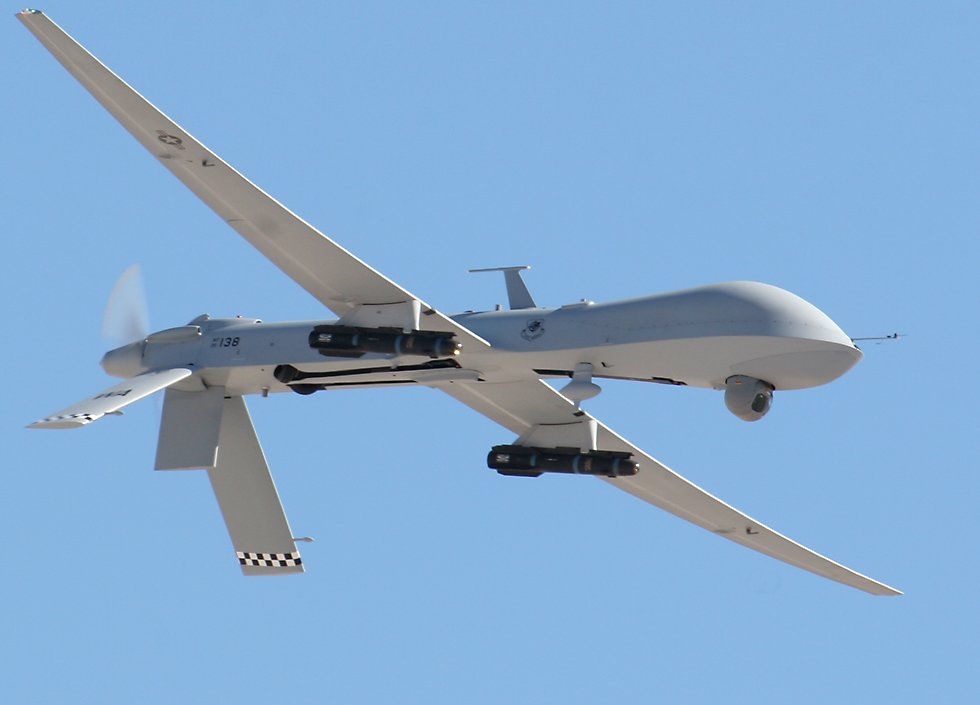
A Predator unmanned aircraft is prepared for flight at a base in Nevada.
“Every time we delete the virus, it comes back,” a source told Wired magazine. “We believe it is harmless, but we cannot say that for certain.” A military security system first flagged the virus in the second half of September.
The virus infected the control computers in the US unmanned-aircraft control room at Creech Air Force Base in Nevada.From there, American pilots remotely operate Predator and Reaper drones deployed in Afghanistan and other war zones. According to Wired, the virus records “every keystroke made on the infected computers”, although there is so far no evidence of sensitive information leaking or a mission being endangered.
A remotely controlled aircraft first killed in 2007 — see our previous article. Over the past four years, armed unmanned aircraft have already killed more than two thousand suspects, both militants and civilians.
The danger of killing by machine
A compromised computer system is not the only problem with these winged robotic killers. Critics point to the difficulty of verifying the identities of those killed. Identification is usually made impossible by the explosion: drones kill, for example, using guided missiles or dropped laser-guided bombs. As a result, pilots operating the aircraft remotely may find it easier to kill than not to kill.
The military counters that soldiers need unmanned helpers to assist them in dangerous situations and provide security where deploying people is unthinkable or too risky.
And how did the personnel at Creech solve the virus problem? They thoroughly formatted all the drives and reinstalled everything. It meant many hours of work; essentially, the whole system had to be rebuilt from scratch. Official military sources declined to comment on the situation, assuring that computer security is taken very seriously.
You can also find more in the article “Unmanned drones will soon become even smarter”.

As we learned, a year earlier the US military had already faced a problem when Iraqi insurgents downloaded signals from American spy aircraft onto their laptops.
Iraqi insurgents downloaded signals from American unmanned military reconnaissance and spy aircraft, Predators, and watched the video they recorded and transmitted.
This was reported by The Wall Street Journal on the basis of information from Pentagon officials.
The insurgents could see which areas the aircraft were monitoring and thus anticipate the US military’s tactical intentions.
They did not have to overcome any sophisticated protection. The video signal was unencrypted and transmitted in frequency bands used for satellite broadcasting.
According to The Wall Street Journal, the Iraqis used Russian software to capture the data: SkyGrabber, costing $26. The US military obtained its first indications of video interception back in 2009, when it found footage created by an unmanned reconnaissance aircraft on the laptop of a detained Iraqi. The seriousness of the problem was confirmed only later, when the military found large amounts of video footage.
According to The Wall Street Journal’s findings, the military is now deploying encryption for the transmitted video streams.
