


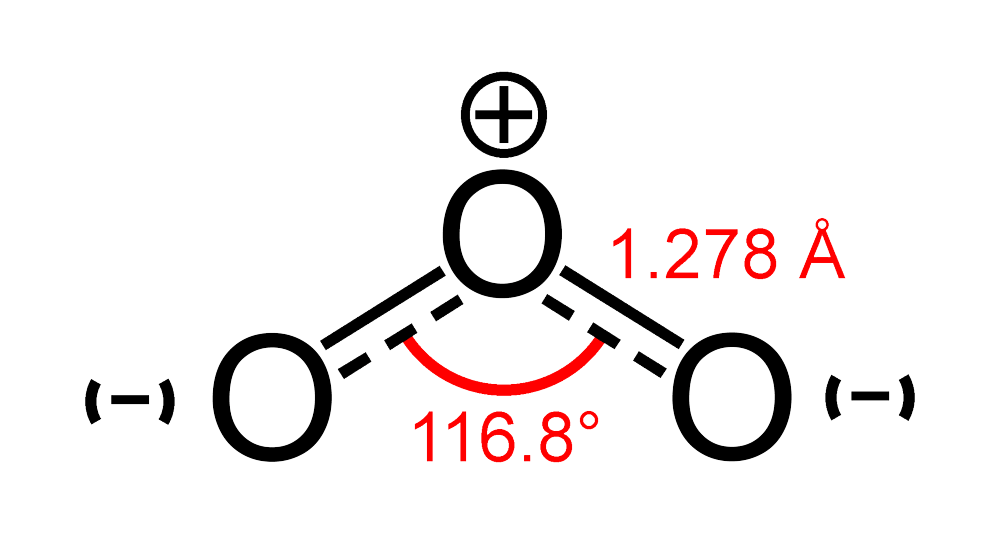
Air Purifiers and Ozone

Ozone is all around us as an integral part of the Earth’s atmosphere – not only as an ozone layer. We breathe it throughout our lives without it bothering us. Nevertheless, on the Internet we can come across articles warning against ozone created by air purifiers. The information must therefore be put into perspective…

What is ozone?
Ozone is a natural cleansing and disinfectant. It is so far the most powerful oxidizing agent, which is used in many fields, such as healthcare, agriculture, food industry, etc… Ozone is 3000x faster than chlorine and 25x more effective than chlorous acid (NOCL), 2500x than hypochlorite (OCL) and 5000x than chloramine (NH2CL) and is much safer. There is no virus, bacterium, mold or fungus that can withstand ozone.
Fear of cleaners is useless today
In the USA, there was a commotion in 2005, when it was found that some air purifiers emit such an amount of ozone that can already be harmful to health. Especially when people started a powerful and insufficiently adjustable device in a small room. Information about the fact that air purifiers can also be dangerous soon spread throughout the world, and people’s mistrust has also affected completely innocent devices.
Today, you probably won’t find an air purifier on the Slovak market that would release a risky amount of ozone. In addition, manufacturers can have their cleaners tested by various independent institutions, and if they do not release a dangerous amount of ozone, you will get certificate.

How to be confident and choose a safe air purifier?
Above all, it is good to know that many air purifiers do not contain any component that could create ozone. Some modern air purifiers equipped with ionization or UV lamps can ‘unintentionally’ create ozone in small quantities. If the manufacturer proves that this amount of ozone does not exceed the hygienic limit, and if it is possible to turn off the ozone source, these are instruments Safe even for the most sensitive people.
1. Air purifiers that do not release any ozone
A large part of the cleaners available on the European market does not have any source of ozone. These are classic devices that contain a motor and a HEPA filter (or another mechanical microfilter), but do not use an ionizer, UV radiation or another source of electrical discharges.
It must be added that nowadays there are already ionizers that do not create ozone.
2. Air purifiers that release ozone in small quantities
Even without the manufacturers intending it, small amounts of ozone can also form as a ‘by-product’ in other devices used in air purifiers:

- some older types of ionizers
- some UV lamps
- electrostatic filters
For air purifiers equipped with these technologies, it is advisable to be interested in the amount of ozone created. The manufacturer should guarantee in writing that his device does not emit more ozone than is allowed.
Hygienic limit It is set at 0.05 ppm (parts per million = particles per million) for eight hours, which is equal to 0.1 mg/m3. The hourly limit is then set at 0.1 ppm, i.e. 0.2 mg/m3. Ozone concentrations below these limits are considered as harmless.
For comparison: the maximum hourly concentration of ozone in nature is approximately 0.06 ppm.
3. Ozone air purifiers that deliberately generate ozone
In ozone purifiers that have not spread in our country, ozone is purposefully used as a way of cleaning the air. Purifiers create this ozone themselves using ozone generator. This can be a UV lamp, a corona discharge lamp or a discharge lamp based on the principle of cold plasma.
Ozone has an extraordinary Disinfectant effect. It kills viruses, bacteria, fungi, parasites and other harmful microorganisms. However, it cannot cope with solid particles such as dust and pollen. However, it can break down toxic or smelly gases, but this decomposition may not be sufficient and may result in other unwanted gases.
But there is one problem: it turned out that low doses of ozone that are harmless to human health are only minimally effective against air pollution. So, in order for the ozone cleaner to function effectively, it would have to release ozone much more, and thus it would probably become a source of health risk. However, theoretically, such devices can be used to clean rooms, but without the presence of people.
At least until there are enough objective scientific tests that will answer all questions related to safety and effectiveness, we recommend not buying ozone air purifiers for the home – especially for allergy sufferers and asthmatics.
Beware of the efforts of some manufacturers, who state that their devices create “Active oxygen” or “energized oxygen”. The consumer would expect something healthy and fresh – but under these nicknames, ozone is hidden again. The above limits must be observed in this case as well.
How is ozone formed?
Ozone is a natural part of the air. Ozone is created during the passage of lightning through the atmosphere and the action of the UV component of solar radiation on the oxygen present in the air – this method of ozone formation will be more significantly applied in places with a higher intensity of solar radiation, i.e. At higher altitudes and by the sea. ‘Pure air’ is characterized, among other things, not only by a low concentration of dust particles, negligible by the level of chemical pollution, but also by the presence of ozone at low, natural concentrations.
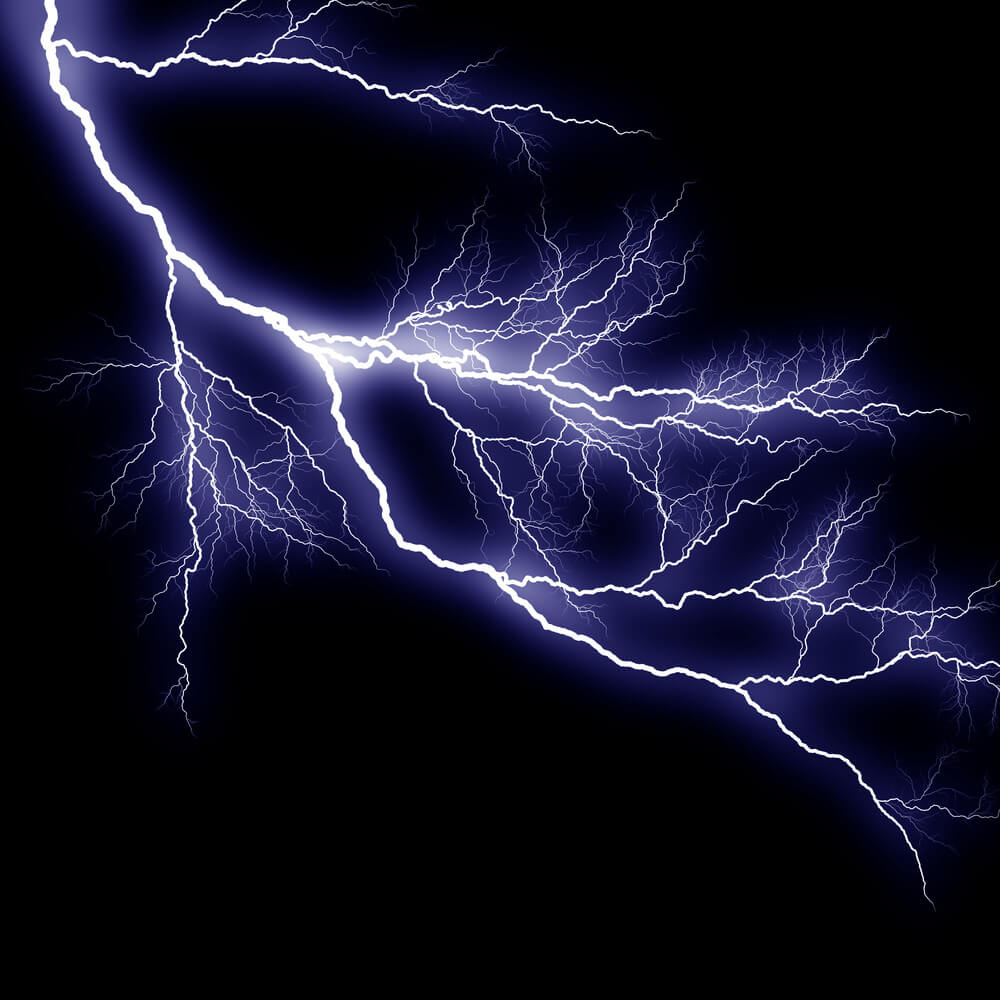
Ozone is also Part of photochemical smog, which arises in the summer months in areas with high air pollution. The result is the creation of the so-called ‘ground ozone’, which in higher concentrations can cause irritation of the conjunctiva, cough and headaches.
Due to the fact that ozone is a very unstable gas, it cannot be stored, but must be produced on site. Ozone is artificially produced by the so-called corona high voltage discharges or using UV lamps:
Corona discharges:
- a technology based on airflow through an electric field in which a so-called silent discharge occurs; its electric current splits oxygen molecules into monatomic radicals that combine with oxygen molecules to form ozone
Ozone formation using UV lamps:
- a UV lamp splits oxygen molecules into monatomic radicals that combine with oxygen molecules, thus forming ozone
- the disadvantage of this method is low ozone production and higher electrical power consumption
Ozone application
The most common applications of O3 ozone in enclosed spaces:
Odor removal and disinfection:
- removing unwanted odors and disinfecting premises
- removing odors after fires and floods
- removing pet odors
- removing cigarette smoke and kitchen odors
- removing odors from sweat and incontinence
- removing odors from wardrobes and footwear
- removing chemical odors from various coatings, thinners, adhesives, etc.
Ozone as the best odor remover. Unlike other chemical preparations, ozone directly removes the causes of odors (does not cover them).

Disposal of pathogenic microorganisms:
- destroying viruses, bacteria, molds and fungi
- eliminating insects, mites and parasites
- effective in eliminating allergens
- removing molds and their spores
Ozone also eliminates pathogens that are resistant to the action of chlorine preparations. As gas penetrates into all corners and nooks and crannies, even the pores of various materials (walls, floors, furniture, carpets, textiles, equipment…).
The application of ozone subsequently does not generate any defective waste substances (residues). Ozone is ecological and saves money on various disinfectants.
Ozone versus chlorine
Ozone is 3000x faster as chlorine and 25x more effective than chlorous acid (NOCL), 2500x than hypochlorite (OCL) and 5000x as chloramine (NH2CL) and It is much safer. These results are measured by comparing CT constants – concentration x time, required to kill 99.99% of all microorganisms.
Chlorine It reacts with organic materials and forms chlorine-containing organics such as chloroform, tetrachloride, methyl chlorine and others, commonly known as trihalometans (THM). Ozone does not react significantly with THM because they are more resistant to oxidation – it takes a very long time to achieve full oxidation. Some THMs are removed as a result of physical firing during aeration with an ozone/air mixture.
Ozone It oxidizes and breaks down organic and inorganic substances faster than other reagents. Typically, an order of magnitude faster than chlorine, the most commonly used reagent. During disinfection with triatomic oxygen (ozone), the cell wall ruptures. It is a more effective method than the use of chlorine, which depends on diffusion into the protoplasm of the cell and passivated enzymes.
Ozone reacts with substances with which chlorine does not react or reacts inappropriately, such as:
- substances affecting taste, color or smell
- metals and manganese
- cyanides, phenols
- and more …
Ozone oxidation eliminates high-molecular compounds, chlorinated biphenyls, organic compounds, poisonous aromatic substances, cyanides, phenols, sulfur, iron, manganese. It has the ability to turn off carcinogens. A strong deodorizing effect causes disruption of smelly substances and thus reduces odor and taste.
Ozone and health
In the human body, white blood cells produce ozone to fight various infections. Nevertheless, ozone is one of the most toxic gases, but at the same time indispensable for life on Earth.
Ozone is a colorless gas with a typical odor. The distinct smell of ozone-like chlorine is clearly visible and is thus a natural warning. In nature, it is commonly found in concentrations from 0.001 to 0.125 ppm, which is additionally influenced by temperature and atmospheric pressure in the given location.
When inhaled, ozone is risky even in small concentrations. Health problems such as Dryness of the mucous membranes, burning of the eyes and difficulty breathing usually begin to appear when the hourly concentration of ozone exceeds 0.3 ppm. At concentrations of ozone higher than approx. 1.1 mg / m3 (0.51 ppm), the eyes and upper respiratory tract are strongly irritated, headaches appear. A concentration higher than approx. 2.15 mg / m3 (1 ppm) will cause severe irritation of the mucous membrane of the respiratory tract, bronchospasmodic conditions and cough within a few minutes.
A higher concentration of ozone can only be applied without the simultaneous presence of humans, animals and plants! This also applies to our ozone generators. If you follow safety warnings, the ozone generator can be used without any problems at home, in the company, in the car, in the cottage, etc…
Industrial ozone generator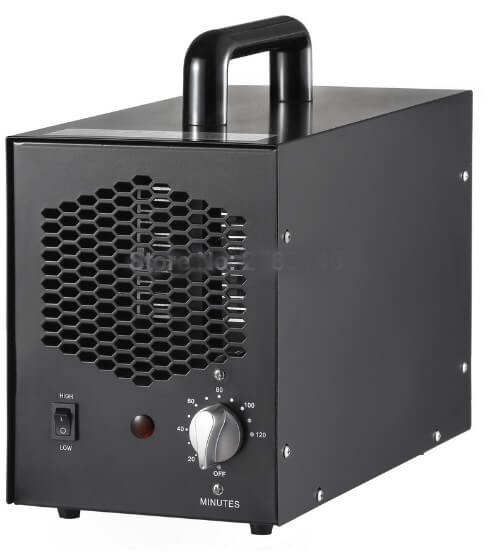 Extremely powerful ozone generator for the most demanding use, especially in places with a large movement of people. Two levels of ozone generation performance of 15,000 and 30,000 mg/h ensure effective disinfection and elimination of viruses and bacteria.
Maximum Ozone Generation Performance
Treat extremely busy spaces in industrial enterprises, medical facilities, offices and public transport using the most powerful ozone generator in the offer. Get rid of microorganisms, odors and molds regularly for the safety of visitors and your staff.
Designed for public spaces
The GREY ozone generator is specially designed for use in public spaces with an area of up to 200 m2. Thanks to the high performance in the creation of ozone, it is able to quickly and intensively disinfect places that hundreds or thousands of people pass every day. It offers an ideal solution for public spaces and their facilities.
Two power levels for flexibility
The internal design of the device allows you to flexibly choose between two power levels – 30,000 mg (30 grams) of ozone per hour for maximum disinfection speed and 15,000 mg (15 g) per hour for smaller spaces and more sensitive environments. Thanks to this, it is a universal device with wide possibilities of use.
Ready for daily hard work
Robust steel construction, comfortable ergonomic handle and practical internal layout for maximally efficient air passage are the main attributes of the GREY 30000 ozone generator. So it offers the perfect solution for everyday operation. Key functions
Ozone generator with selectable output of 15,000 or 30,000 mg ozone per hour
Effective against viruses and microorganisms in the air and on the surface of objects
Removes odors from smoke, cigarettes, animals and many chemicals from the air
Universal use in heavily loaded public spaces, but also in offices and shops
Timer with a range of 0 to 180 minutes
Replaceable long-life ozone module
Slovak instructions and technical support
Warranty period 2 years
Generally about ozone
Ozone is a gas that occurs naturally in nature and forms e.g. Protective ozone layer of the earth. In higher concentrations, it can eliminate microscopic organisms such as viruses, bacteria and others, but it does not burden the environment in any way.
After cleaning with ozone
Shortly after the application of shock cleaning with an ozone generator, the ozone itself decomposes into oxygen, leaving no smell, residue or other chemical residues. It thus contributes to the creation and maintenance of a safe and clean environment in offices, shops, means of transport or households.
