


Do You Have Silverfish at Home? These Proven Methods Will Get Rid of the Annoying Insects

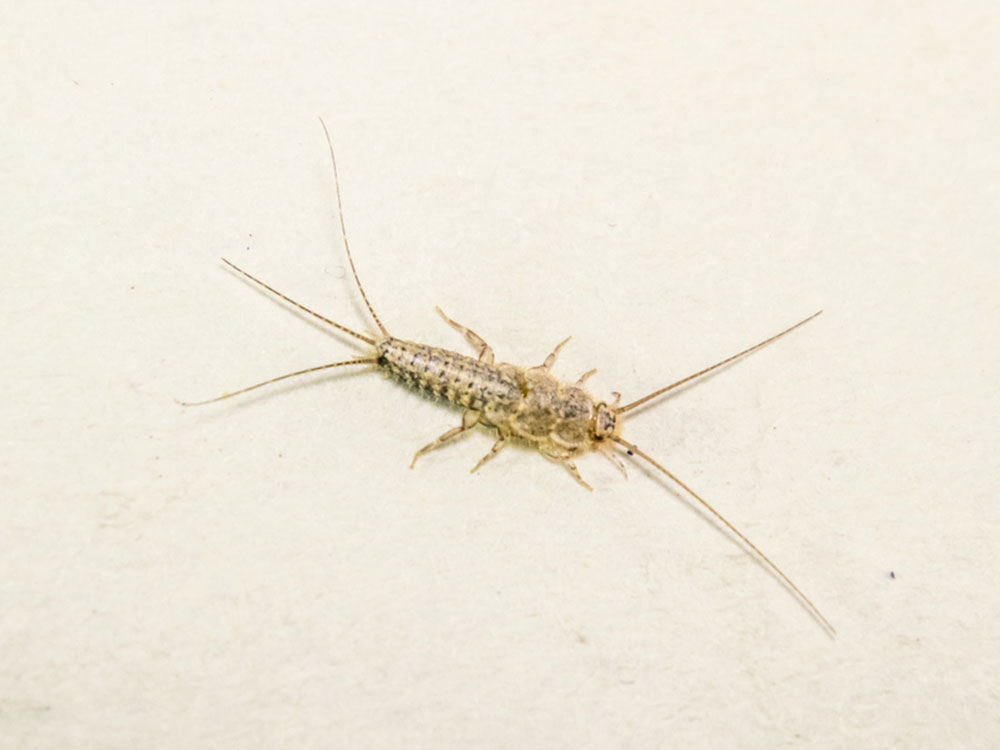
 “Little fish”, “silverfish” and bristletails are names used for these darting, unwelcome insects. We most often notice them in the bathroom or toilet. Their official name is Lepisma saccharina.
 Non-destructive
deterrence of
rodents,
wildlife
and snakes.
These insects have nothing to do with fish. Their nickname comes from their silvery, 7 to 10 millimeter bodies and the way they move. To get rid of them, we need to understand why they like our homes in the first place.
Our homes provide plenty of food. Silverfish like sweet substances called polysaccharides. These are found in many household items, including book glue, carpet fibers, household glue, paints, fabrics and even furniture. They also eat food, especially starchy and sweet foods.
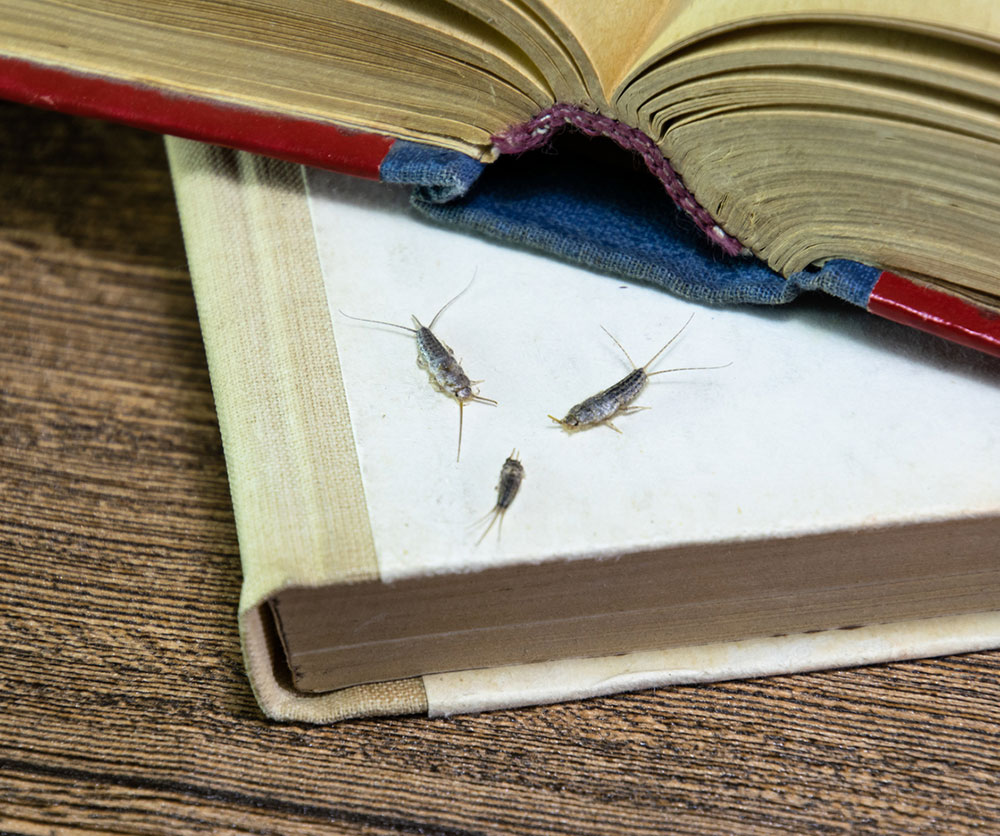
There are plenty of hiding places, allowing them to reproduce without difficulty. They choose damp, dark, hidden places to lay their eggs.
Silverfish need moisture. Like other household pests, they thrive best in damp conditions. Ventilate the bathroom and use a fan; if your home is very humid, consider buying a dehumidifier.
They like the same temperatures as we do, preferring 22 to 27 °C.
They can live for generations in places where they thrive. They reproduce very frequently. One generation lives for approximately three years. This means that if we do not address the problem, these unwanted visitors will multiply, and over time we will also see damage to certain items – most often old valuables, books, wallpaper and photographs, but also clothing and curtains.
How Can You Get Rid of Silverfish at Home? There are several options, but these are worth trying because they really work:
1. A Glass Bowl with Bait Put a piece of starchy food, such as a potato, into a glass bowl; sugar or flour also works. Cover the outside with rougher adhesive tape, either in a few places or all over. Make sure the tape does not extend inside – it must stay on the outside only. Place the bowl where you have seen the insects.
How does it work? The adhesive tape acts as a ladder for the silverfish, allowing them to climb into the bowl, attracted by the food. Since the inside has only smooth glass walls, they will be unable to get out. Their legs cannot grip the smooth surface.

2. A Damp Newspaper Trap Make a trap from damp newspaper. Roll up newspaper and moisten it. The moisture and shelter attract the insects – leave it in place for a few days. After several days, throw the newspaper away or burn it. You can repeat the process whenever necessary. You may also get rid of future generations, because this kind of trap is an ideal place for laying eggs.
3. Sticky Traps Gardeners will certainly know the sticky traps used to eliminate annoying, harmful insects. Similar traps also work for other insects, such as pantry moths and silverfish. Place them where the insects frequently move, or add a few drops of a starchy or sweet attractant.
4. Cedar or Cedar Oil Add a few drops of cedar oil to water in a spray bottle. Mix and spray places where you have seen silverfish or where they might be. Cedar oil is highly aromatic and contains pheromones that these silvery insects hate. If it does not work, try a stronger concentration. Besides cedar oil, you can try other essential oils, such as lavender, mint, citrus or vanilla. Add them to the water you use to wash the floor, perhaps with a few drops of vinegar.
5. Bay Leaves Bay leaves contain oils that naturally repel silverfish. Place crumbled bay leaves where needed.

6. Good Hygiene Tidiness and hygiene are the most basic ways to combat unwanted insects at home. Thorough, regular cleaning with disinfectants can prevent silverfish from appearing or multiplying excessively. Remember less accessible places as well. Sealing cracks and gaps is worthwhile as a preventive measure.
If none of these work, or you do not want to try natural alternatives, chemical silverfish traps are also available from online stores and shops selling DIY and gardening supplies.
What Else Is Good to Know about Silverfish?
- Silverfish have lived on Earth for more than 300 million years. They are not harmful, do not transmit diseases that would hurt us and do not bite.
- In small numbers, they pose no threat to our health or indoor environment. Of course, seeing them in your own bathroom or toilet is unpleasant.
- They emerge from hiding mainly in the dark. Damp towels or rugs left on the floor also attract them.
- Silverfish also feed on mites; other treats include dead skin, hair, nails, flour, sugar and other carbohydrates. They are food for spiders and other predatory insects, so in their own way they maintain balance in the insect ecosystem.
- When they multiply excessively, they can damage the things they enjoy eating – books, carpets, wallpaper, clothing and food.
